Expert view from the Care Homes sector
Braemar Finance recently conducted its latest Business Barometer research, which examines current Care Home sector trends and the view of business-owners about a range of issues, from the cost of doing business to recruitment and retention.

In this piece, we get under the skin of the data to find out more…
Cost of doing business
The cost of energy has had – by some distance – the most impact on Care Homes’ income, with 56% selecting this option. Staff pay rises (16%), supply costs (12%) and fuel increases (10%) are the next most cited.
Unsurprisingly, 89% of Care Homes said they were taking measures to reduce their energy use, including, in order of most popular measures:
- Turning off the lights overnight
- Replacing equipment with more energy-efficient alternatives
- Looking at alternative heating and energy sources
- Lowering the heating
- Changed energy supplier
- Insulating your building
Unfortunately, a quarter of Care Homes confirmed that they had considered closing their business as a result of rising costs, and 33% said that they had made redundancies because of the impact of rising costs.
Seven out of 10 firms surveyed admitted to passing on additional costs to their customers, either partially (60%) or fully (10%).
Recruitment and retention
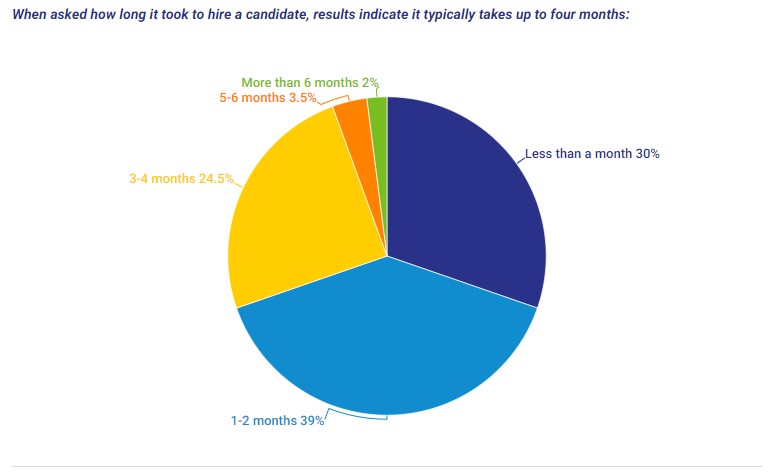
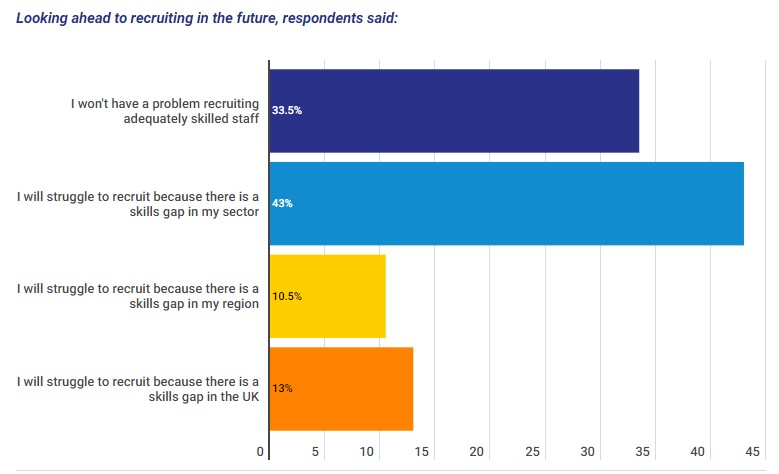
Looking at staff vacancies and the impact of the recruitment and the retention crisis, 61% of Care Homes replied that they currently have a vacancy to fill, the highest of all the professions polled. A further 49% said they’ve struggled to fill vacancies in the past 12 months.
60% of Care Homes say there is a skills crisis in the sector, and a similar number are currently finding it more difficult to fill vacancies.
The UK’s economic outlook
The majority (93%) of Care Homes businesses surveyed responded that they were either ‘very’(43%) or ‘somewhat’ (50%) concerned about the UK’s current economic performance. Despite this, 16% expected to expand in the coming 12 months against 21% who think they will contract; 62% hope to ‘stay the same’ – only 1.5% think they’ll close their door permanently.
Over nine in 10 (91%) of respondents confirmed they’d been impacted by rising inflation, and 70% admit it’s likely they’ll apply for funding within the year.
The environment
Despite the economic headwinds they’re facing, 67.5% of Care Homes are working to limit their environmental impact and 77.5% have considered climate change and other environmental factors within their business plans.
82% believe that they can help tackle climate change and a further 18% believe they can achieve carbon neutrality by 2050.
New technology
Half of respondents are looking to invest in new technologies over the course of the next year, and 65% of Care Homes stated they feel keeping up-to-date with modern technologies is a key differentiator for customers and a reason they may choose their Care Home over a competitor.
80% of Care Homes are confident about being able to keep ahead of technological developments within the profession.
Methodology:*
All figures, unless otherwise stated, are from a Censuswide survey conducted in February 2023. The survey canvassed the opinion of over 1,200 senior members of the professions across the UK on a range of issues affecting their businesses.